
The tech under the skin
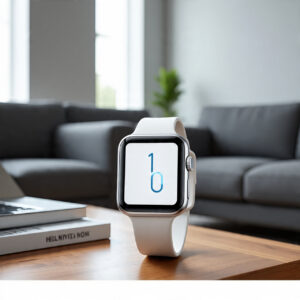
At the heart of today’s wearables are high-quality sensors that measure heart rate variability, blood oxygen, skin temperature and movement. On-device AI models analyse this stream of data in real time and generate personalised suggestions. Cloud connectivity then enriches those insights, allowing for longitudinal trends and clinician-ready reports.
Health benefits that matter
AI wearables help detect early warning signs by spotting subtle deviations from your normal metrics. They generate personalised fitness plans, monitor recovery and can issue alerts for dangerously high or low readings. For people with long-term conditions such as diabetes or hypertension, wearables provide continuous monitoring that supports better outcomes and fewer emergency visit
Productivity and the workplace
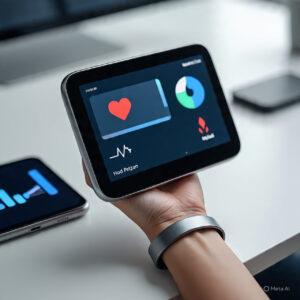
Beyond personal health, wearables are proving useful at work. Devices that track focus, posture and fatigue deliver actionable nudges—short breaks when attention wanes, posture corrections to avoid strain and alerts to prevent burnout. In safety-critical sectors, wearables can even warn of hazardous movements or environmental risks.
Privacy and ethics
With great data comes great responsibility. Wearables collect sensitive health and location information, so encryption, transparent consent and clear data‑sharing policies are essential. Always review a device’s privacy settings and choose vendors with strong security track records.
What’s next?
Expect smarter predictive analytics that flag issues before symptoms appear, tighter integration with medical records and longer battery life. Multi-device ecosystems—where wearables talk to your phone, home and workplace—will create holistic health profiles that support personalised care at scale.
- Check manufacturer privacy policies before syncing health data.
- Use wearables alongside medical advice for chronic condition management.
- Opt for devices with on-device AI for better privacy.


